Current humanoids can move — but they can’t feel. Cerebel solves the dexterity gap that has kept 90% of physical industry tasks out of reach for robotics, through three tightly integrated technology layers.
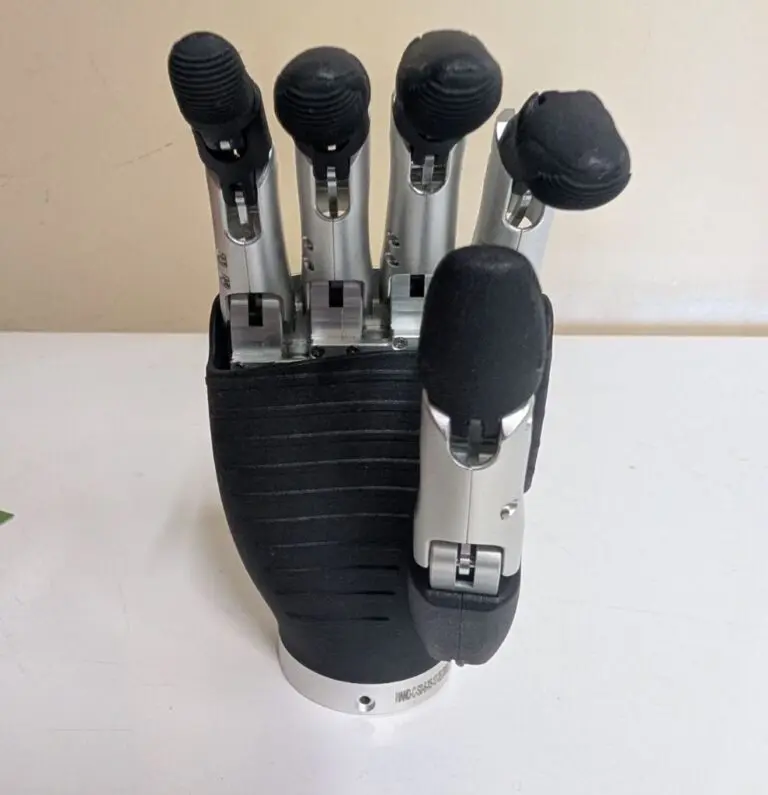
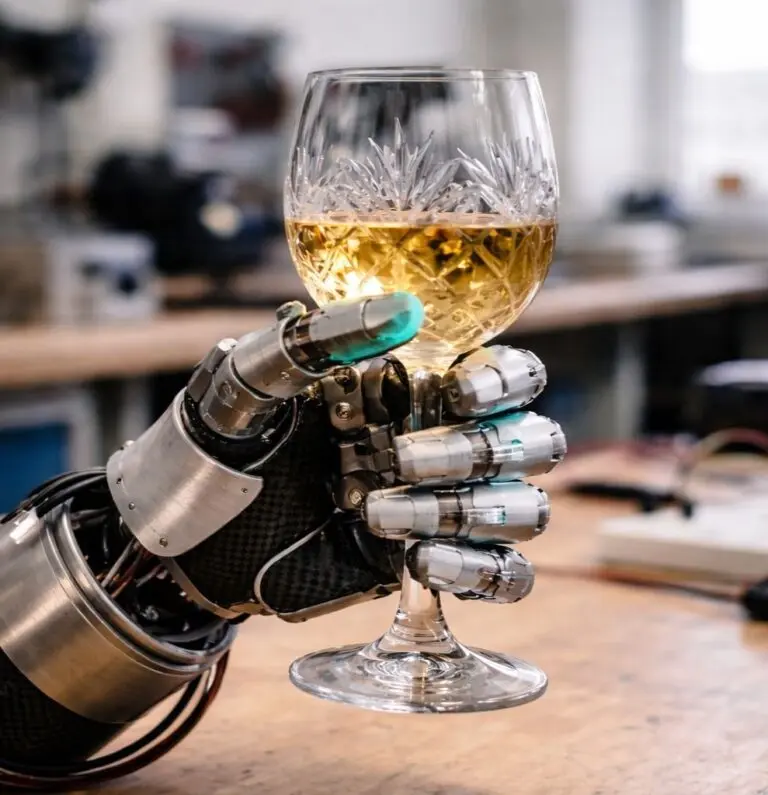
Vision alone isn’t enough. When a human picks up a delicate item, they instinctively adjust grip pressure, detect the moment it starts to slip, and apply exactly the right force. Today’s robots are blind to all of this. Cerebel’s tactile sensing layer integrates real-time pressure and slip detection directly into ADIBOT’s hands — closing the sensory gap that has made robots unreliable for anything beyond rigid, uniform objects. This is why ADIBOT can work alongside humans without constant supervision.
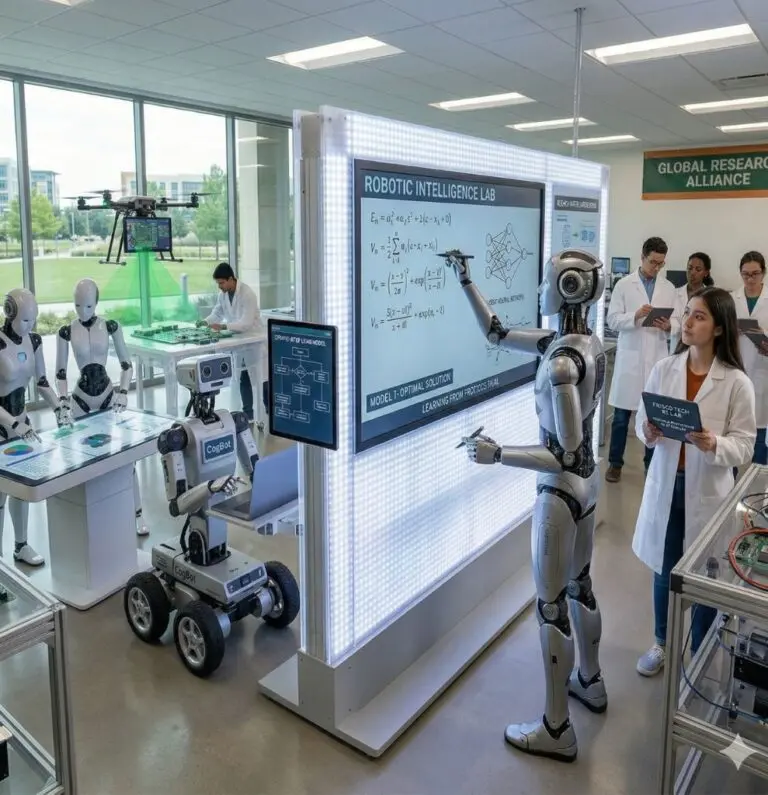
The intelligence behind ADIBOT is our Vision-Language-Sensing-Action (VLSA) model — trained on thousands of hours of real tactile and visual interaction data. Unlike general-purpose models that struggle with physical tasks, VLSA is purpose-built for dexterous manipulation in industrial environments. Deploy ADIBOT at a new site and it learns the workflow, the objects, and the environment in hours. Every deployment feeds the data flywheel — making the model smarter with each robot in the field. Built on NVIDIA GR00T, Google RT-X, and pAI foundations, refined with proprietary data no competitor can replicate.
Cerebel builds dexterous AI workforces that bring human-like precision to physical industries.
© 2026 Cerebel. All Rights Reserved.